
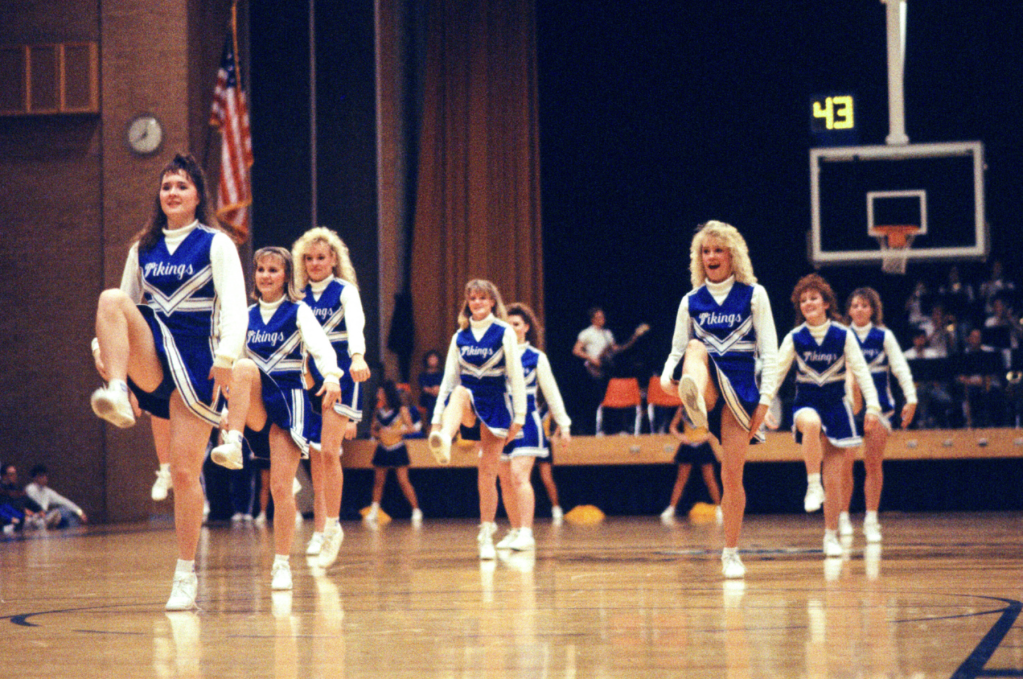
When people talk about the possible return of athletics at BYU–Idaho, the conversation usually jumps straight to the big-ticket sports—basketball, football, baseball, etc. But the reality is that one of the most certain additions would not be a varsity sport at all.
Cheer and dance teams, which fall under the category of spirit squads, are much easier for colleges to sponsor and come with far fewer regulatory hurdles. They energize game days, build campus pride, and can even compete for national championships. In fact, if sports ever return to Rexburg, cheer and dance would almost certainly be at the front of the line.
Why cheer and dance are easier to sponsor
Cheer and dance teams do not fall under the NCAA, NAIA, or NJCAA definition of varsity sports. They are classified as spirit squads or student activities, not as championship sports. This means schools are not required to provide athletic scholarships or track their financial aid under NCAA equivalency limits. The result is a program that costs far less to run than varsity athletics.
They also provide roster flexibility that helps institutions manage Title IX. Since football and other men’s sports create gender imbalances, universities often need programs that expand women’s participation. Cheer and dance can field large rosters of women, making them useful in demonstrating a commitment to equity without the expense of launching another NCAA-sanctioned sport.
Because these programs do not fall under NCAA championship oversight, they operate with fewer regulations and more flexibility in scheduling and funding. They are free to compete at events like the NCA & NDA Collegiate Cheer and Dance Championships without being tied to NCAA seasons. At the same time, they strengthen campus branding and alumni relations by creating an energetic atmosphere at games and special events.
Regional Success
The success of nearby programs provides a glimpse of what could be possible in Rexburg. The BYU Cougarettes are one of the most decorated collegiate dance teams in the country. Established in 1946, the Cougarettes began as a performance team and grew into a nationally dominant program. By 1998 they were already recognized by Dance Spirit magazine as one of the top 25 collegiate dance teams in the nation. Since then, they have only strengthened that reputation.
As of last season, the Cougarettes have won 26 national championships across jazz, hip hop, team performance, and other categories. Their titles include eight NDA jazz championships, nine NDA hip hop championships, and multiple team performance titles, in addition to international recognition at events like the New Prague Dance Festival. Each year, over 100 dancers audition for a roster of just 18–23 spots, with members expected to have training in ballet, modern, and jazz. The team performs at BYU athletic events, contributes to the game-day experience, and consistently brings national recognition back to Provo.
Weber State has also become a powerhouse in both cheer and dance. In 2024, the Wildcats secured national championships in jazz and hip hop while also dominating the cheer categories with wins in large and small coed. Their cheer squad has claimed seven consecutive large coed national titles, establishing Weber State as one of the premier programs in the country. The Wildcats’ ability to mix local talent with recruits from powerhouse junior colleges has elevated their status on the national stage.
Implications for BYU–Idaho
Together, BYU and Weber State illustrate how cheer and dance teams can succeed at the highest levels without the financial or legal complexities of NCAA athletics. They show that spirit squads can be cost-effective, competitive, and deeply connected to institutional identity.
For BYU–Idaho, which would face significant obstacles in sponsoring varsity sports like football or wrestling, cheer and dance represent a practical and culturally compatible option. They would require fewer resources, tap into a strong regional talent base, and immediately add value to campus life and community engagement.
If athletics return to Rexburg, it is difficult to imagine a scenario where cheer and dance are not part of the first wave. They check the boxes of affordability, flexibility, and student involvement while carrying the potential for national recognition. The examples set by the Cougarettes and the Wildcats show that these programs can thrive, and BYU–Idaho would be well-positioned to follow that path.
 BYU-I Sports
Leave a comment