
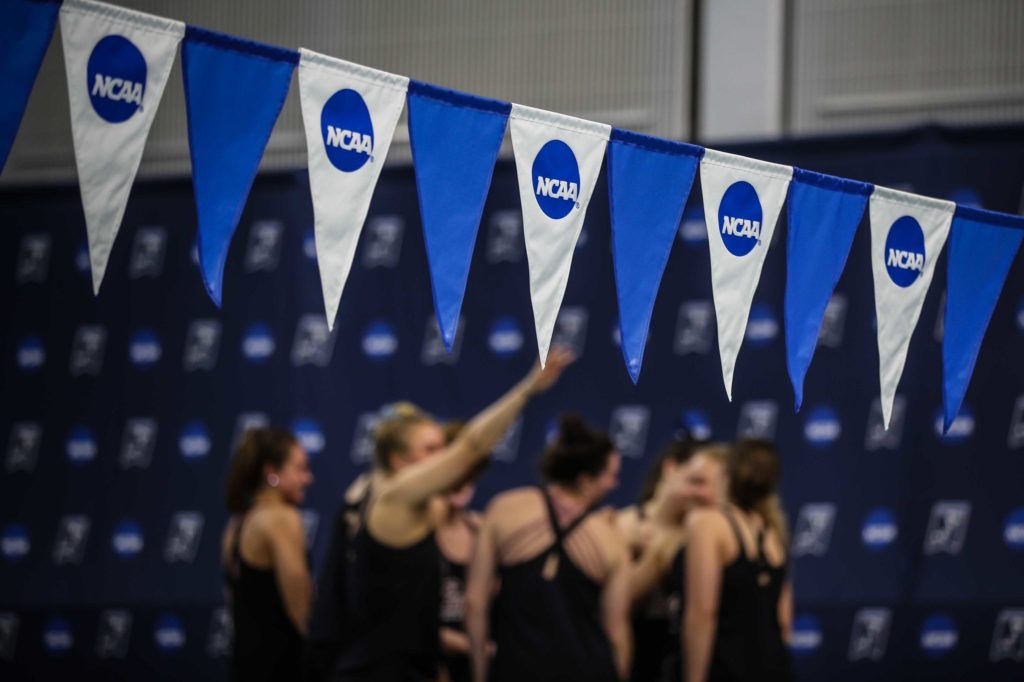
The June 2025 approval of the House v. NCAA settlement reshaped the entire structure of college sports. Worth nearly $2.8 billion in backpay and introducing a revenue-sharing model for Division I athletes, the agreement removed long-standing barriers that blocked direct compensation. The question now is how this new flow of money fits with the requirements of Title IX, which demands gender equity in athletics.
Title IX prohibits sex-based discrimination in federally funded education. In sports, that means schools must provide equitable opportunities, benefits, and treatment for both men and women. Compliance is measured by the “three-prong test”: proportional opportunities, a history of expanding opportunities for women, or full accommodation of student interest and ability. Institutions need to meet only one prong, but proportionality is usually the standard that draws the most attention. Unlike NCAA rules, Title IX is federal law. The Department of Education’s Office for Civil Rights enforces compliance, and violations can threaten a school’s federal funding. That gives Title IX significant power over how the House settlement can be carried out.
One major issue is direct payments.
Starting in 2025–26, schools will be able to distribute around $20 to $22 million annually to athletes. If those dollars flow mostly to men’s sports, especially football and basketball, schools open themselves to Title IX complaints. Compensation now counts as part of “treatment and benefits,” so unequal payouts could be interpreted as discrimination.
Another concern is roster limits. The settlement replaces scholarship caps with roster maximums, which may reduce opportunities over time. If cuts fall more heavily on women’s sports, proportionality could be at risk. Schools may also face tough budget choices. With compensation obligations rising, athletic departments might consider trimming non-revenue women’s sports. Doing so while increasing payments to men’s athletes, however, would raise compliance problems. To offset this, some may add new women’s programs like wrestling or triathlon.
Title IX does not just respond to the settlement; it actively shapes it.
Schools cannot concentrate benefits only on male athletes. They will need distribution systems that can hold up under OCR review. That might include setting clear formulas tied to roster sizes or program revenues, ensuring female athletes receive fair shares of compensation, and expanding opportunities where participation gaps appear. Ignoring Title IX when implementing revenue-sharing could spark lawsuits from female athletes excluded from equitable treatment.
Several tensions are already clear. Football’s large rosters could allow it to dominate compensation pools, upsetting gender balance. NIL earnings remain uneven, with many women still trailing male athletes despite strong online followings. And courts have not yet fully defined whether revenue-sharing counts as a “benefit” under Title IX, though enforcement agencies are likely to view it that way.
The House settlement ended the old model of amateurism, but it did not end debate about fairness. Instead, it opened a new chapter where compliance with Title IX acts as the guardrail for how schools design and distribute athlete compensation.
The next few years will test whether institutions can both fund this new system and prove that men and women are benefiting equitably.
 BYU-I Sports
Leave a comment