
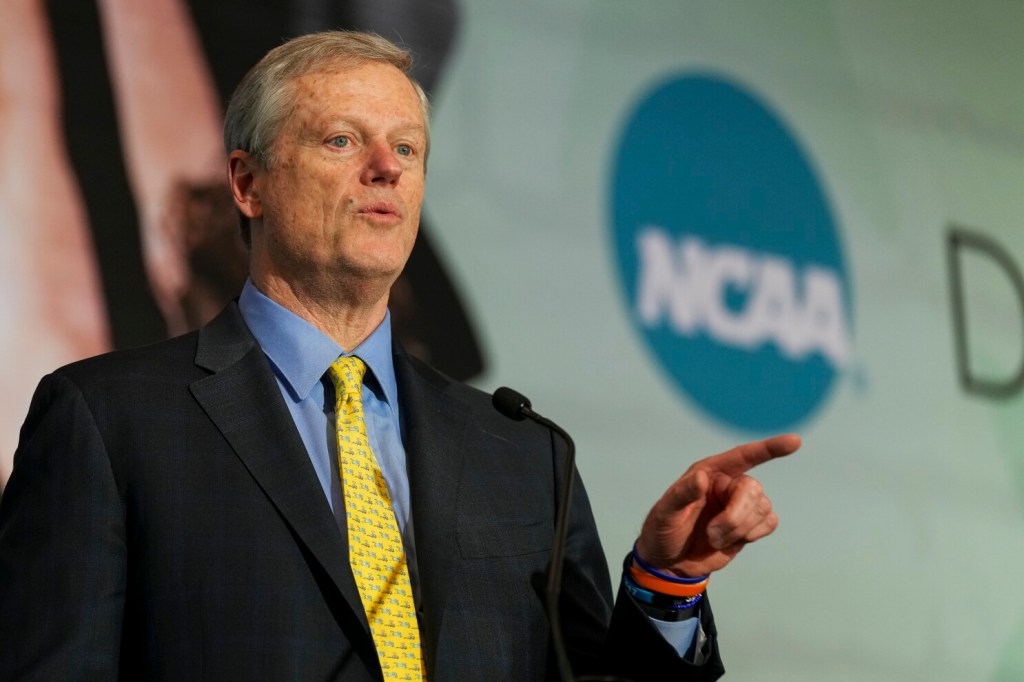
For years, rumors have swirled in Rexburg about the possibility of BYU–Idaho bringing back intercollegiate athletics. The school, formerly known as Ricks College, once boasted one of the most successful junior college programs in the nation before transitioning into a four-year university in 2001 and dropping varsity sports entirely. Since then, BYU–Idaho has invested heavily in intramurals and recreation, but some students and alumni continue to wonder if the school might one day field teams again.
On the surface, the timing might seem right. Neighboring schools across Idaho compete in the NCAA and NAIA, and BYU–Idaho has the enrollment, facilities, and talent pool to sustain a competitive athletic department. Yet, one major obstacle looms: the House v. NCAA settlement. This landmark legal agreement, finalized in June 2025, is reshaping the entire financial and governance structure of college athletics. For a school without varsity sports, the settlement creates more reasons to wait than to jump in.
The Basics of the House Settlement
The lawsuit, House v. NCAA, was filed in 2020 by former Arizona State swimmer Grant House and basketball player Sedona Prince. They argued that the NCAA and major conferences illegally restricted athletes from earning money from their name, image, and likeness (NIL) and from sharing in broadcast revenues. In May 2024, the NCAA agreed to a $2.75 billion settlement, later approved by Judge Claudia Wilken in June 2025.
The deal changes college sports in several key ways:
- Direct payments to athletes. Schools at the Division I level can now share up to $20 million annually with athletes.
- Revenue sharing. Broadcast and commercial revenue can be distributed directly to players.
- Roster limits. Traditional scholarship caps are replaced by roster caps, giving schools more flexibility but also forcing tough roster decisions.
- Retroactive damages. Current and former athletes who competed after 2016 will receive part of the multibillion-dollar payout.
While this settlement directly impacts Division I schools, its ripple effects extend across the entire college sports ecosystem, including Division II, Division III, and the NAIA.
Financial Uncertainty for New Entrants
The most obvious reason a school like BYU–Idaho would hesitate is money. The NCAA is funding the massive $2.75 billion payout partly by reducing distributions to all member schools over the next decade. Even schools with no role in past NIL restrictions are affected.
That means if BYU–Idaho were to join the NCAA today, it could enter at a time when distributions are shrinking and membership dues are rising. Instead of athletics being a manageable investment, the university could find itself saddled with unexpected costs tied to litigation it had nothing to do with. By waiting, BYU–Idaho avoids buying into the NCAA’s financial obligations during its most unstable period.
Shifting Rules and Compliance
The House settlement is not just about money, it fundamentally rewrites NCAA rulebooks. Roster limits, NIL oversight, and revenue-sharing agreements are still being clarified. Additional lawsuits are already pending, including cases about athlete employment status and potential Title IX implications of revenue sharing.
If BYU–Idaho entered the NCAA now, it would face a moving target. Compliance staff would be tasked with enforcing rules that could change again within a year or two, leaving the institution constantly scrambling to adapt. For a school starting from scratch, this uncertainty makes planning nearly impossible.
Recruiting Disadvantages
While Division II, Division III, and NAIA schools are not directly required to share revenue with athletes, the recruiting landscape has changed permanently. Athletes now know that Division I programs can put cash on the table. Even if BYU–Idaho entered at a non-DI level, it would have to compete for recruits in a world where money is openly part of the equation.
That makes it much harder to build momentum for a new program. Imagine trying to convince a promising soccer or basketball recruit to join a startup team at BYU–Idaho while DI schools nearby are offering financial packages. For a brand-new athletic department, those are tough odds.
Risk Management and Institutional Strategy
From an administrative standpoint, BYU–Idaho’s current position is a safe one. Without varsity athletics, it has no exposure to lawsuits, no compliance headaches, and no financial obligations tied to the NCAA’s legal troubles. Jumping in now would expose the university to all of those risks before the dust settles.
BYU–Idaho also has to consider its unique institutional mission. As a university owned by The Church of Jesus Christ of Latter-day Saints, it makes decisions with a long-term, conservative outlook. Taking a wait-and-see approach fits that pattern. It allows the school to observe how NCAA reforms play out, how Title IX challenges are resolved, and whether additional lawsuits fundamentally reshape college athletics even further.
Settlement Implementation and Appeals
Finally, it is important to note that the House settlement is not fully complete. While the court approved the deal in June 2025, implementation will take years, and appeals are still possible. Distribution plans for athletes, compliance requirements for schools, and the practical effects of roster limits are all still being worked out.
If BYU–Idaho launched athletics today, it would be building on shifting legal ground. Waiting until the system stabilizes ensures that any new athletic program is based on clear, settled rules.
The Bottom Line
The House settlement represents the most dramatic change to college sports in modern history. For powerhouse Division I programs, it means paying athletes directly and navigating a new financial model. For schools in Divisions II, III, and even the NAIA, it means operating in the shadow of those changes, with increased recruiting competition and ongoing uncertainty.
For BYU–Idaho, the timing simply isn’t right. Starting an athletic program in the middle of ongoing lawsuits and unsettled reforms would expose the school to financial risk and compliance chaos. The prudent path is to wait until the legal dust settles, the new NCAA model stabilizes, and the university can make decisions based on a clear, predictable framework.
Until then, the roar of Ricks College athletics will remain a memory… and the return of BYU–Idaho sports will stay on hold.
 BYU-I Sports
Leave a comment