
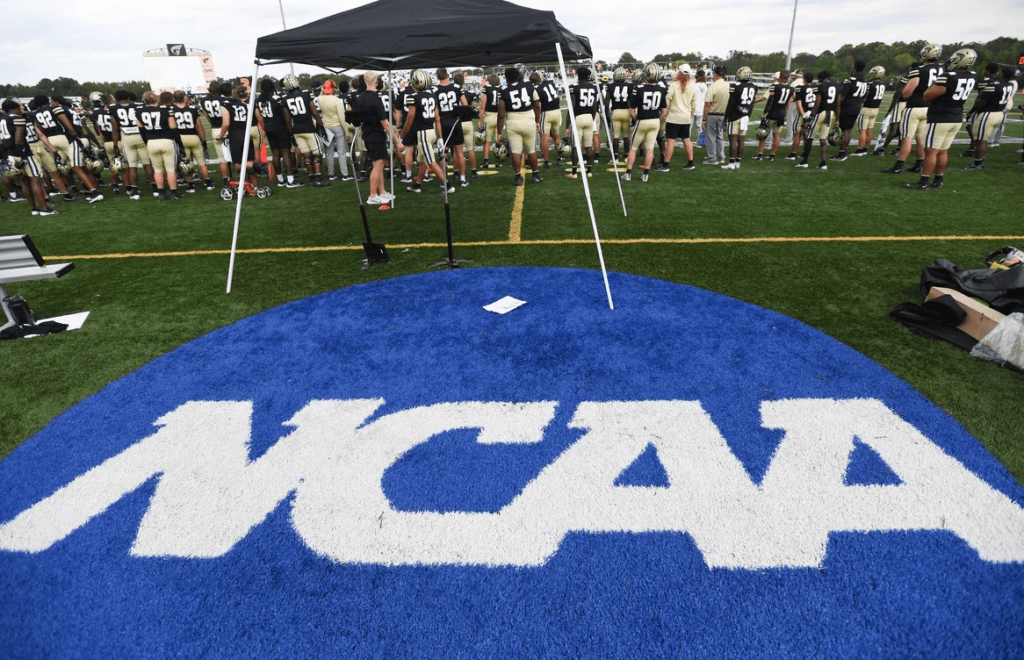
On June 6, 2025, Judge Claudia Wilken approved the House v. NCAA settlement, a landmark antitrust agreement that has fundamentally changed the business of college athletics. The settlement ends years of litigation over athlete compensation and ushers in a revenue-sharing model unprecedented in the NCAA’s history.
Background
The lawsuit began in 2020 when Arizona State swimmer Grant House and then-Oregon basketball player Sedona Prince filed suit against the NCAA and the Power Five conferences. They alleged that the NCAA’s restrictions on name, image, and likeness (NIL) earnings and broadcast revenue violated antitrust laws. The case built upon earlier victories for athletes in O’Bannon v. NCAA (2014) and Alston v. NCAA (2021), both also decided by Judge Wilken.
In 2023, the court granted class-action certification, expanding the case to include all Division I athletes dating back to 2016. Faced with billions in potential damages, the NCAA and its member conferences chose to settle.
Key Terms of the Settlement
- $2.8 Billion in Backpay: Over the next decade, the NCAA and its conferences will distribute nearly $2.8 billion to current and former Division I athletes who competed since 2016. These payments cover lost NIL opportunities, exclusion from broadcast revenues, and other antitrust damages.
- Revenue Sharing: Beginning with the 2025–26 academic year, schools may share up to roughly $20–22 million annually with athletes. This represents about 22% of the revenues at top athletic programs.
- Scholarship Limits Replaced with Roster Caps: Traditional scholarship maximums will be removed. Instead, teams will operate under roster size limits. While this grants schools more flexibility in how they allocate funds, it could reduce opportunities for walk-ons or lower-priority athletes. To protect those already enrolled or recruited, the court required a grandfathering provision.
- Payment Responsibilities: The NCAA will fund about 41% of the settlement, with the rest divided among the Power Five conferences, the Group of Five, Football Championship Subdivision schools, and non-football Division I institutions.
Implications for College Athletics
The settlement marks a decisive break from the amateurism model that governed college sports for more than a century. Direct payments to athletes are now permissible, legitimizing what many schools were already indirectly facilitating through NIL deals. For the first time, players will share in the billions generated by media rights, ticket sales, and sponsorships.
Still, questions remain. How schools distribute revenue among sports will shape the competitive landscape. Football and men’s basketball are likely to capture the lion’s share, but Title IX requires equitable treatment for female athletes. Ensuring compliance could trigger further litigation.
Additionally, the settlement does not resolve whether athletes are “employees” entitled to unionize or collectively bargain. Cases pending before the National Labor Relations Board could push the system further toward professionalization.
Looking Forward
Implementation will be complex. Athletic departments must build infrastructure to manage payments while balancing budgets across sports. Smaller Division I schools may struggle to match payouts from wealthier programs, potentially widening the gap between tiers of competition.
Even with uncertainties, the House settlement represents a historic shift. After years of legal and legislative battles, Division I athletes will finally share in the economic rewards of college sports. The decision has set a new baseline for compensation, one likely to shape the next generation of NCAA governance.
 BYU-I Sports
Leave a comment